

Lose yourself in the most famous maze in the world
Skip the event ticket details and go to event summary.
When
Open 10.00 - 17.15Ticketing information
Included in palace admission (Members go free)
Buy Hampton Court Palace ticketsThe Hampton Court Maze
The Hampton Court Palace Maze is the UK's oldest surviving hedge maze. Commissioned around 1700 by William III, it covers a third of an acre and is known for confusing and intriguing visitors with its many twists, turns and dead ends. On average, it takes 20 minutes to reach the centre.
The Maze was designed by George London and Henry Wise and is trapezoid in shape. Originally planted using hornbeam, it was later replanted using yew. It is referred to as a multicursal or puzzle maze.
Before the creation of the Hampton Court Maze, unicursal or single path mazes were the most popular form of maze in the UK. Unlike the puzzle maze, the single path maze has one path, usually in a spiral shape, winding to a centre point.
Visiting the Maze
Entry to the Maze is included in a normal admission ticket to Hampton Court Palace.
Find out more about visiting the Maze in our Gardens FAQs.
The Maze is closed 24-26 December each year and may close at short notice in adverse weather conditions (e.g. snow or ice).
"It is the most famous Maze in the history of the world, and immeasurably the one most visited."
Ernest Law, 1926

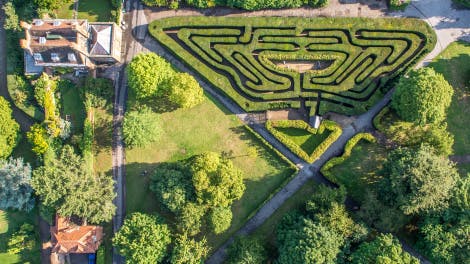
The maze was planted as part of a formal garden layout known as the 'Wilderness'. There were at least two mazes originally planted in the Wilderness garden of which the current maze is the only survivor. It was the first hedge planted maze in Great Britain and now the only part remaining of the original 'Wilderness' area.
The term 'wilderness' refers to a place to wander, rather than an uncultivated area of garden as the name suggests. William III would have walked through the wilderness at Hampton Court Palace with his devoted wife Mary II. The area would have comprised 18ft-high hornbeam hedges, accompanied by interstices planted with elm.
Did you know?
Hedge mazes flourished in Britain up to the 18th century. It was Lancelot ‘Capability’ Brown who introduced natural landscaping and, in order to achieve his sweeping views, destroyed many formal garden features. Ironically, as Royal Gardener for 20 years, he lived next door to the maze at Hampton Court, but was expressly ordered not to interfere with it!
The Wilderness was the English version of a French 'bosquet'. The high hedges, secluded benches and winding paths made it a place where members of the royal court could go for privacy and where gentlemen in particular could entertain ladies in private.
Today, there are over 1 million bulbs planted in the Wilderness alone. In the spring, the whole garden is carpeted as far as the eye can see with daffodils, interspersed with crocuses.
Three Men in a Boat
'We’ll just go in here, so that you can say you’ve been, but it’s very simple. It’s absurd to call it a maze. You keep on taking the first turning to the right. We’ll just walk around for ten minutes, and then go and get some lunch.'
The passage above is taken from Jerome K. Jerome's Three Men in a Boat (1889). The character, Harris, leads the tourists into the maze and they subsequently get lost for hours.
Explore what's on

- Families
- Things to see
The Magic Garden
Meet mysterious beasts, storm the battlements and discover the secret grotto in the Magic Garden at Hampton Court Palace.
-
Dates:
10:00 - 17:45. Last admission 17:00.
- Location: Hampton Court Palace
- Ticket type: Included in palace admission (Members go free)

- Halloween
- Events
- Half term
- Families
Halloween at Hampton Court Palace
Enjoy a spell-binding adventure at Henry VIII’s haunted palace.
-
Dates:
24 October - 01 November 2026
- Location: Hampton Court Palace
- Ticket type: Included in palace admission. (Members go free, no pre-booking required)

- Things to see
Great Fountain Garden and the Long Water
Enjoy the splendour of these water features fit for royalty.
-
Dates:
Open
- Times: In line with palace opening hours
- Location: Hampton Court Palace
- Ticket type: Included in palace admission (Members go free)
Browse more history and stories
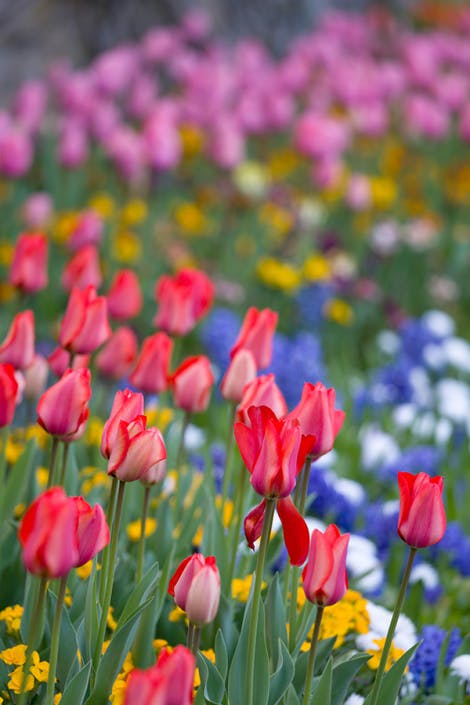
The gardens at Hampton Court Palace
A brief history of the famous royal gardens
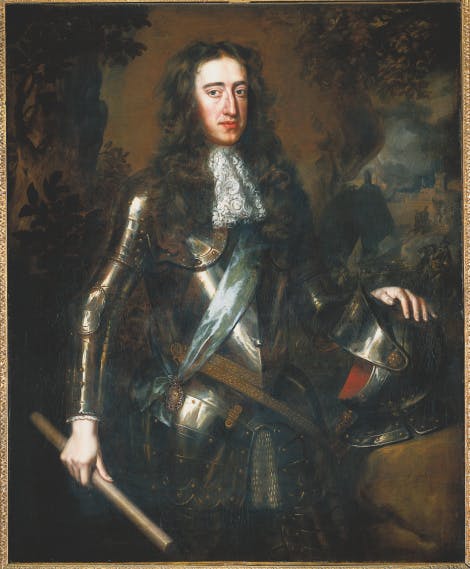
William III and Mary II
England's only joint sovereigns, who transformed Kensington Palace into a royal residence

Hampton Court Conference of 1604
One of the most enduring aspects of James I's reign
Shop online
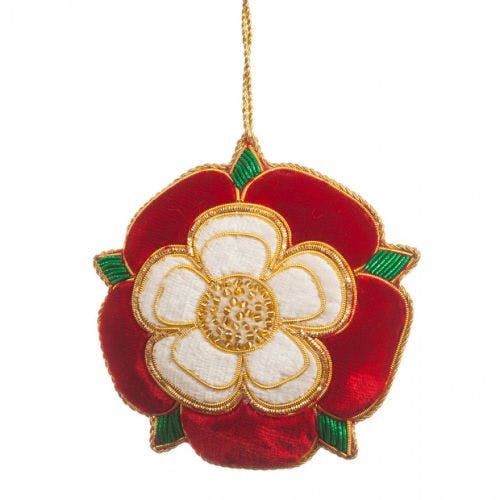
Tudor Rose Decoration
Handmade using metal and silk threads, this exquisite Tudor rose decoration commemorates the joining of two royal families, York and Lancaster.
£15.00
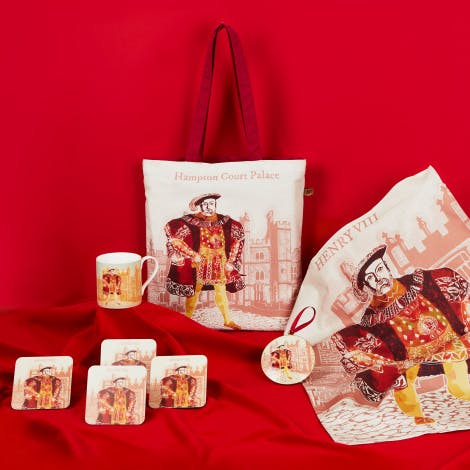
Shop Tudors
Find the perfect gift for collectors and history enthusiasts in our treasure trove of souvenirs inspired by this ever-fascinating dynasty.
From £3.00

Shop Goblets & Tankards
Discover our decadent range of goblets and tankards inspired by the palaces in our care, the perfect gift for any history fan.
From £10.00